

Being planned over an area of almost 20 acres, the terminal is slated to be built on land belonging to the Railway Wheel Factory (RWF).
Edited By: Raghwendra Shukla @ShuklaRaghav
Published: December 24, 2025 16:19 IST, Updated: December 24, 2025 16:19 IST
Bengaluru:
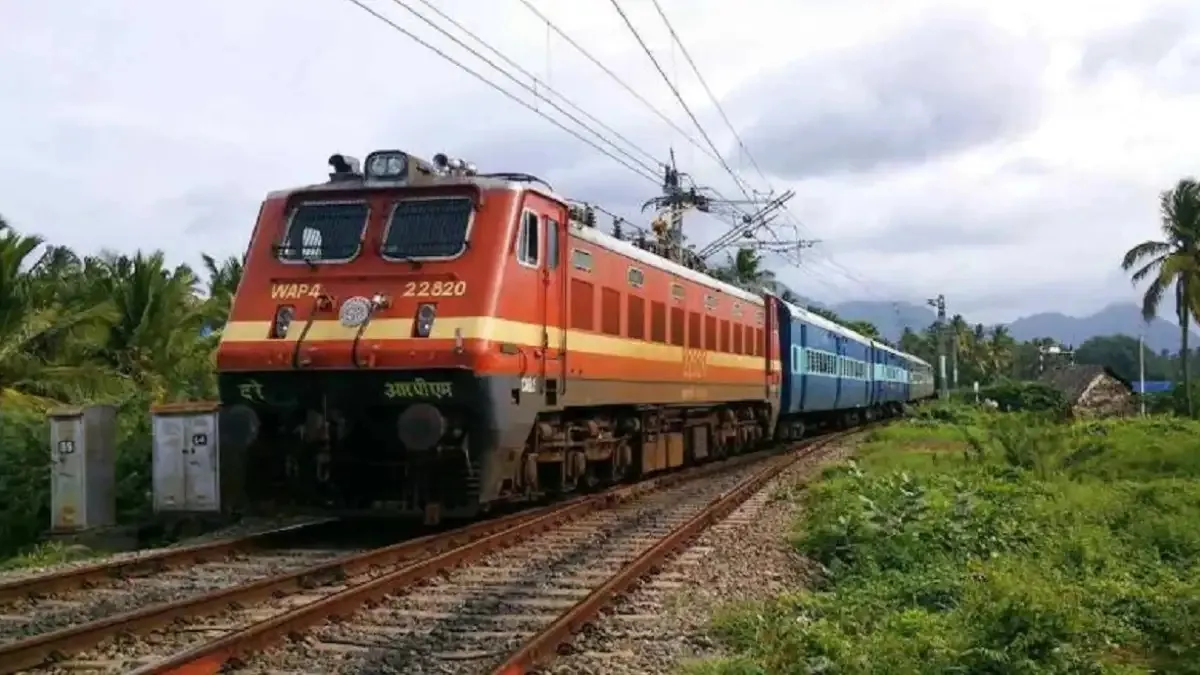
Taking inspiration from China’s Hangzhou railway station, the South Western Railway (SWR) has given a proposal for the construction of an airport-style coaching terminal in North Bengaluru’s Yelahanka, which would be a modern, sprawling facility. According to a report by Moneycontrol, the project, once approved, will become Bengaluru’s fourth major terminal after Sir M Visvesvaraya Terminal at Byappanahalli, joining KSR Bengaluru City and Yeswantpur.
-Advertisement-
Planned in an area of 20 acres
Being planned over an area of almost 20 acres, the terminal is slated to be built on land belonging to the Railway Wheel Factory (RWF). Additionally, small parcels of private land will also be used, along with the railway staff quarters and the existing Yelahanka station yard.
While the current station accommodates five platforms, the hub being proposed is likely to encompass a total of 16 platforms. Apart from this, there will be 15 pit lines and 10 stabling lines. All these additions to the station’s infrastructure will mark a significant expansion in its operational capacity.
Prior to being relocated to Yelahanka, the fourth terminal was proposed at Devanahalli. It has been moved to Devanahalli to reportedly better utilise available railway land.
Moneycontrol quotes a senior South Western Railway (SWR) official as saying, “This will be the country’s first fully elevated railway terminal.”
“We are proposing an airport-like railway terminal with five levels—a basement, ground floor, Level 1, Level 2, and Level 3—featuring a concourse, mezzanine floor, platforms, and an underground basement. Train tracks will run at the basement and ground-floor levels,” the official adds.
Estimated to cost around Rs 6,000 crore, the project is likely to be executed via a public-private partnership or DBFOT model. Notably, approvals are still being awaited.
According to railway officials, the focus on vertical construction reflects Bengaluru’s high land costs and dense urban development.
“In a city like Bengaluru, land is very expensive, so vertical development makes more sense. We are also exploring revenue generation through commercial development. This is the first time railway tracks themselves are being elevated,” the official further added.


 By
By